A stalled vehicle can interrupt work, appointments, travel, or family responsibilities without warning. When drivers search for a towing service near me, they usually need practical help and straightforward communication. A reliable provider asks for the vehicle type, exact location, visible condition, and immediate safety concerns before arranging assistance. These details help determine whether towing, a jumpstart, tire assistance, fuel delivery, or another response may be suitable. Dependability also means explaining what information the driver should provide and setting realistic expectations about access. Clear communication helps both the operator and customer prepare for the roadside situation. Careful handling remains important.
Safety Comes Before Vehicle Movement
Roadside safety should guide every towing decision. Traffic speed, visibility, weather, road shoulders, vehicle position, and nearby hazards can affect how assistance is performed. Drivers should move to a safer location when possible, activate hazard lights, and remain away from moving traffic. They should follow instructions from emergency authorities when a collision or dangerous roadway condition is involved. A towing operator must assess whether there is enough working space and whether the vehicle can be loaded without creating additional risk. Reliable service does not ignore unsafe conditions simply to begin quickly. The scene must support a controlled response. Details matter.
Correct Equipment for the Vehicle
Different vehicles and roadside conditions may require different towing methods. Vehicle size, weight, drivetrain, ground clearance, wheel condition, damage, and manufacturer guidance can influence equipment selection. A reliable towing provider gathers these details before dispatch whenever possible. Accurate information reduces the chance that an unsuitable truck or attachment arrives at the scene. Customers should mention modifications, locked wheels, missing keys, collision damage, parking restrictions, or unusual vehicle dimensions. Photographs may help explain the situation, although they cannot replace an onsite assessment. Proper preparation supports safer loading and helps protect the vehicle during movement to the requested destination. Clear records matter.
Roadside Assistance May Prevent a Tow
Not every disabled vehicle needs to be transported. A depleted battery may respond to a jumpstart, an empty tank may need emergency fuel delivery, and an accessible flat tire may be handled through roadside tire assistance. Lockout service may restore entry when the circumstances and vehicle allow it. A reliable provider asks questions to determine whether a roadside option is reasonable. The final approach depends on the actual condition, location, tools, weather, and safety of the work area. If the problem cannot be addressed safely onsite, towing may be the appropriate next step for further diagnosis or repair. Details matter.
Communication Helps Avoid Confusion
The driver and towing provider need a shared understanding of the request. The customer should confirm the vehicle description, pickup location, destination, access instructions, contact number, and any known mechanical or collision concerns. The provider should explain whether additional details are needed and advise the customer if conditions change. In apartment lots, garages, private properties, or controlled facilities, permission and access requirements may affect service. Clear communication is also important when the customer is not physically beside the vehicle. Written messages can preserve directions, but drivers should verify important details directly before the vehicle is moved or roadside work begins.
Local Knowledge Supports Efficient Access
A towing service familiar with Jacksonville may better understand common road patterns, neighborhood access, parking limitations, and routes to repair facilities. Local knowledge does not remove delays caused by traffic, weather, construction, or emergencies, but it can help the provider evaluate practical access. Drivers should still share a precise address, nearby landmark, direction of travel, and vehicle position. Location pins can be useful, especially on highways or large properties, but they should be checked for accuracy. A reliable local operator combines the customer’s information with current conditions rather than assuming that a street name alone identifies the vehicle. Details matter.
Mobile Repair Offers Another Option
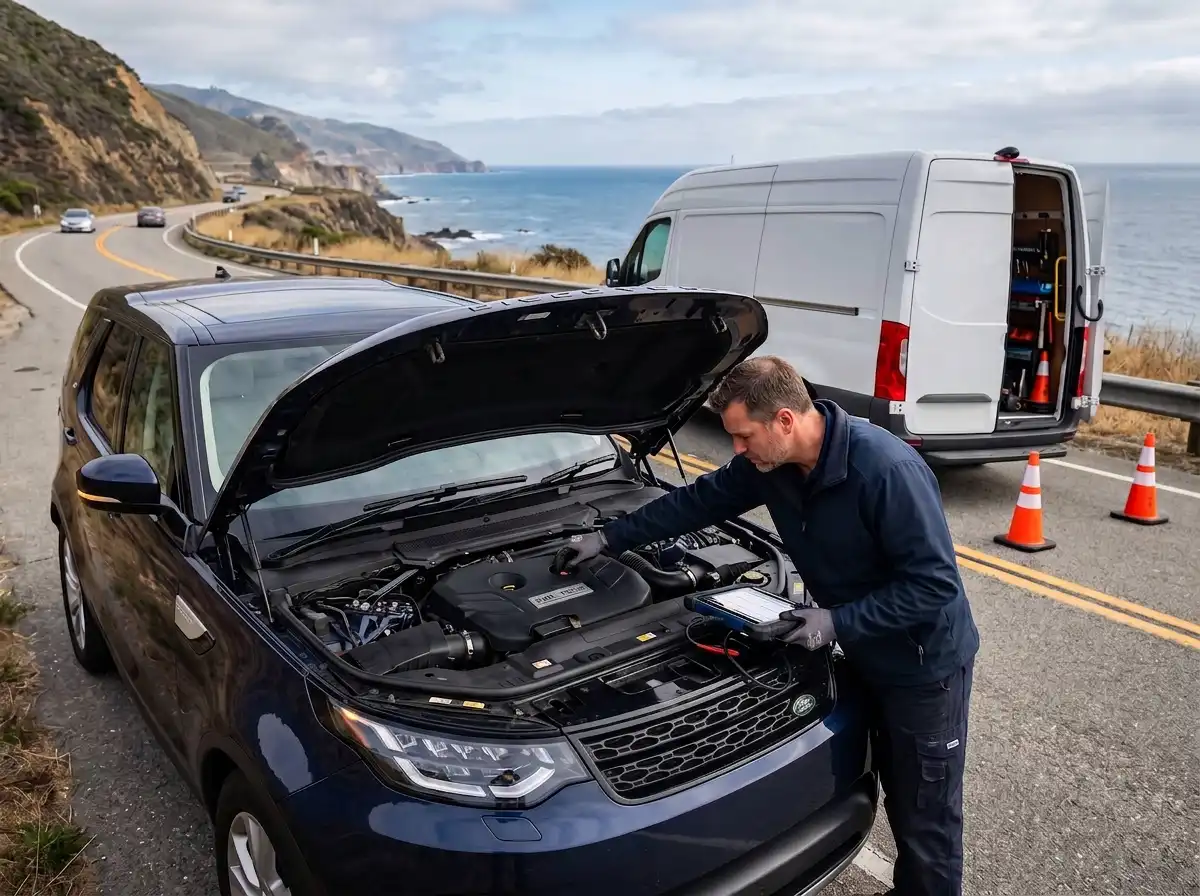
Some roadside problems may be suitable for mobile auto repair instead of immediate towing. Battery concerns, minor tire issues, oil service, or accessible mechanical problems may sometimes be evaluated where the vehicle is parked. Other conditions require a controlled shop environment, specialized equipment, extended testing, or replacement parts that are not available onsite. A dependable provider explains these limits and avoids treating an uncertain symptom as a confirmed diagnosis. Customers should describe warning lights, sounds, leaks, recent repairs, and the events preceding the breakdown. Good information helps the mechanic decide whether mobile work or vehicle transport is more appropriate. Accordingly.
Vehicle Condition Should Be Documented
Before towing or roadside work begins, customers should look at the vehicle and report existing damage when it is safe to do so. Photographs can record wheel position, body condition, loose components, or collision damage. The operator may also document visible conditions before loading. This record helps both parties distinguish preexisting issues from the service activity. Customers should remove or secure loose personal property when possible and disclose fragile modifications or low clearance. Documentation cannot capture every hidden mechanical problem, but it creates a useful reference. A reliable provider treats condition records as part of a careful vehicle handoff. Accordingly.
Service Records Support Future Decisions
The information from a roadside event can assist later maintenance or diagnosis. Drivers should retain records showing the reported symptom, assistance provided, tow destination, and any observations shared by the operator or mechanic. If the vehicle receives temporary help, such as a jumpstart, the underlying cause may still require testing. A flat tire may also reveal wheel damage or another concern that needs shop inspection. Reliable service communicates what was completed and what remains uncertain. These records help the next technician understand the sequence of events, which can reduce repeated explanations and support more focused evaluation of the vehicle’s condition.
Choosing Towing Service Near You
A useful search for a towing service near you should consider communication, safety practices, equipment suitability, roadside capabilities, and local access. Confirm that the provider can handle the vehicle and location, then share accurate details before assistance begins. Your Personal Mechanic and Towing serves drivers in Jacksonville, Florida, with towing, roadside assistance, lockout service, tire support, battery jumpstarts, fuel delivery, mobile auto repair, oil changes, and mechanic services. Drivers can contact the business to discuss the vehicle, roadside conditions, destination, and requested help. A reliable choice begins with clear information and a service plan suited to the actual situation. Accordingly.